

Hoa-condo-solar-ma: Solar Power for Massachusetts HOAs and Condos

Hoa-condo-solar-ma: Solar Power for Massachusetts HOAs and Condos

By BD Electrical Services Editorial Team · Updated 2026-08-03

Massachusetts condominiums and HOAs qualify for shared solar arrangements under state net metering rules, with common-area systems powering pools, lighting, and elevators. BD Electrical Services, based in Carver, MA, designs and installs these community solar solutions, coordinating with HOA boards to reduce shared electricity costs across the property.

Condominium associations in Massachusetts must navigate Master Deeds, Trustee approval, and evolving state law—such as MA Bill H3996, introduced April 3, 2025—that limits HOA restrictions on solar installations. BD Electrical Services,

Massachusetts condominiums and HOAs pursue rooftop solar through board approval, master deed review, and ownership models ranging from association-owned systems to individual unit arrays, following guidance from the Commonwealth’s 2015 condominium solar guide. BD Electrical Services designs and installs systems built around multi-unit properties, ensuring efficiency and compliance.

Key Takeaways

  • Massachusetts condo-solar-installation-ma projects require architectural variance approval before installing rooftop solar photovoltaic panels on individual units.
  • Solar champions in Massachusetts condos must navigate master deed restrictions that often prohibit exterior modifications and installations.
  • HOA approval processes for solar installations, known as hoa-approval-solar-ma, involve rigorous documentation requirements and architectural review board determinations.
  • BD Electrical Services in Carver, Massachusetts provides solar installation expertise for condominium and HOA properties statewide.

What Do You Need Before Filing Condo Solar?

Four documents unlock a smooth filing: governing bylaws, trustee meeting minutes, a site survey, and a clear read on Massachusetts law. Skip any one of these, and boards stall projects for months or reject them outright over paperwork gaps, not merit. Massachusetts offers a dedicated state guide walking condo owners and associations through this exact approval sequence. Nobody has to build the process from scratch. HOA condo solar MA projects succeed when owners treat governing documents as the starting point, not an afterthought.

Does State Law Override the Association's Rules?

Massachusetts condominium law is state-specific, meaning the association’s own governing documents set the baseline procedure. Trustees can’t ignore statute, though — courts have already tested restrictive language against G.L. c.184 §23C and sided with solar access. Pending legislation, H3996, would push further, forcing municipalities and HOAs to prove actual harm before blocking a system.

Before filing, gather these essentials:

  1. Master Deed and Declaration of Trust language on rooftop or common-area alterations
  2. Recent trustee meeting minutes referencing prior variance requests
  3. A structural and roof-condition assessment
  4. Contact info for a solar installer experienced with multi-unit condo solar installation MA projects
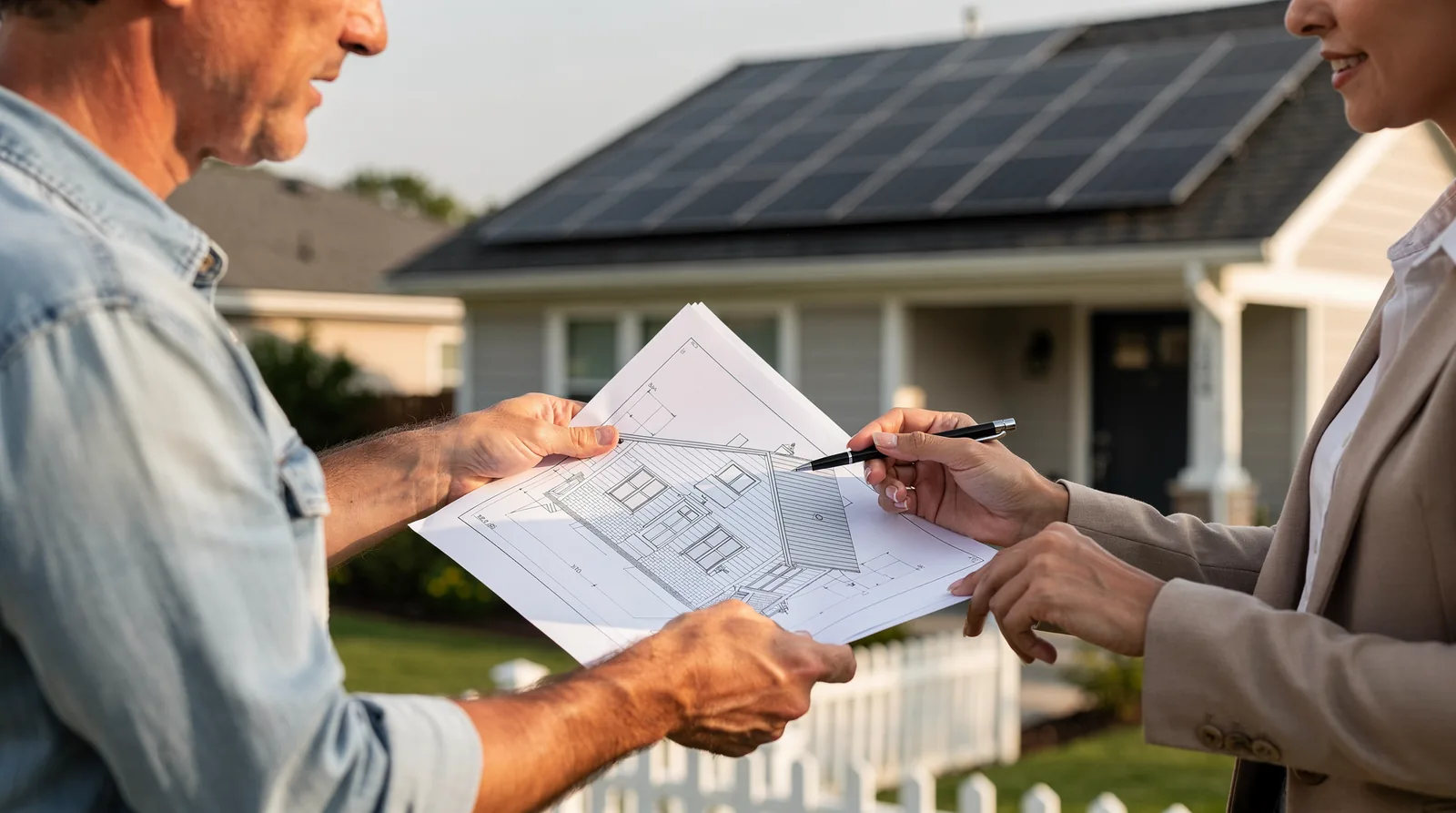
HOA approval solar MA requests move faster with all four in hand. BD Electrical & Solar ships knowledgeable crews statewide to help boards prep documentation before the vote.

How Do You Get HOA Approval For Solar?

Approval hinges on a clear, documented process — not a hallway conversation. Massachusetts condo boards typically require a formal proposal, committee review, and a full trustee vote before a single panel goes on the roof. Skipping any stage stalls the project and frustrates owners who assumed solar was already a done deal.

Most successful hoa-condo-solar-ma projects start with one motivated unit owner. This “solar champion” researches the technology, pulls cost data, and carries the proposal to the board. State guidance built for Massachusetts associations maps out exactly how that proposal moves through the group’s formal decision-making process, from initial pitch to final sign-off.

Getting to yes takes a sequence of concrete actions:

  1. Confirm interest from at least one board member before drafting a formal request.
  2. Submit written plans covering panel placement, equipment specs, and installer credentials.
  3. Present the proposal at a scheduled association meeting for committee discussion.
  4. Address structural, aesthetic, and liability questions raised by trustees.
  5. Secure a formal vote and documented HOA approval for solar installation.

What Ownership Model Works Best for a Condo Association?
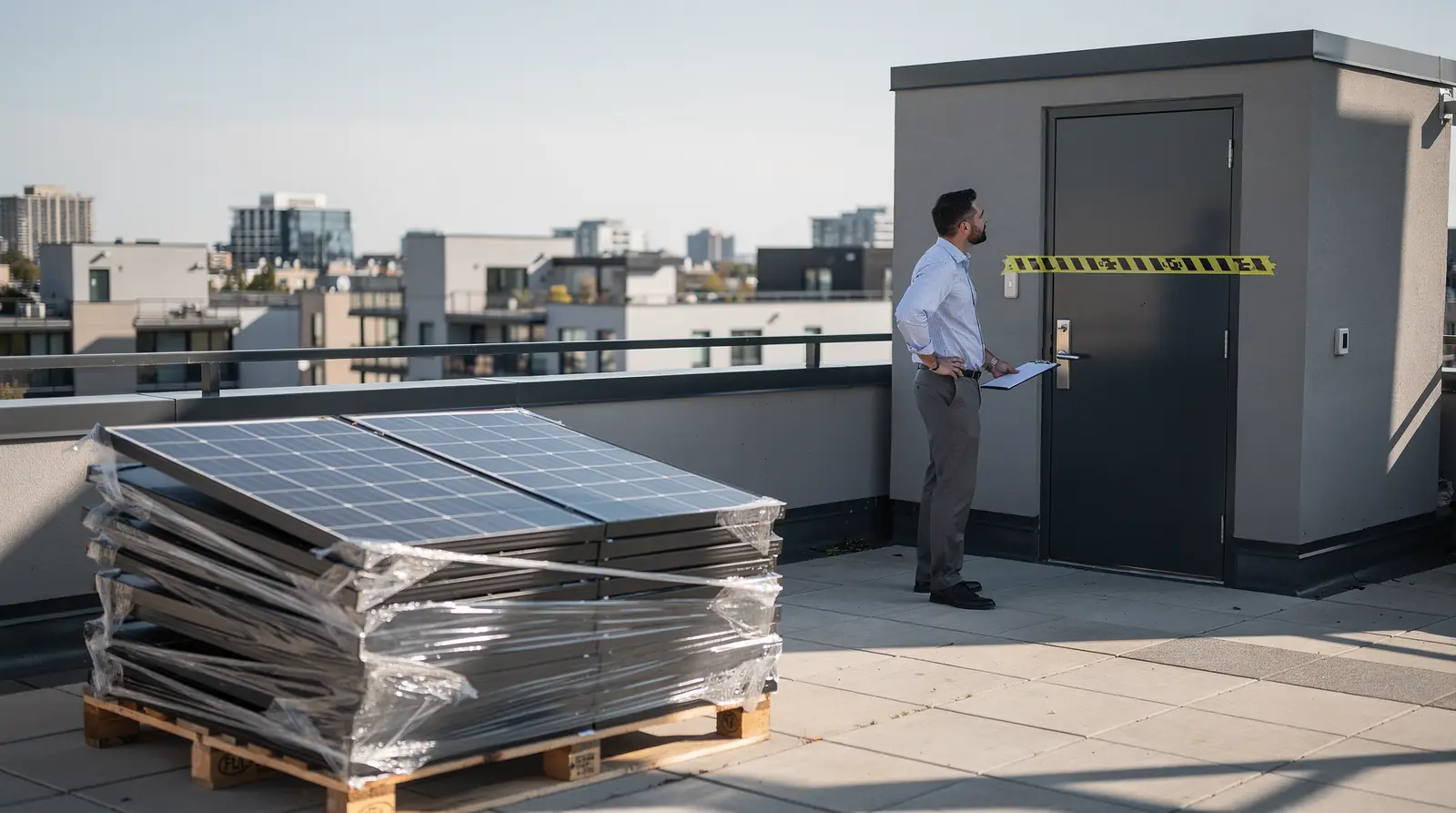
Massachusetts guidance outlines several ownership structures for association solar projects. Options include individual unit owners holding title to their own panels, the association owning a shared system serving common areas, or a hybrid arrangement splitting costs among participating owners. Reviewing each model before the vote prevents maintenance and cost-sharing headaches down the road.

A rigorous, multi-step approval process is standard for HOAs, not a red flag. BD Electrical Services fields a 15-person team ready to guide Massachusetts condo. HOA boards through condo solar installation, from that first proposal to final construction, keeping every step moving.

What Mistakes Stall Condo Solar Approval?

Vague denials sink most solar requests before panels ever reach the roof. Massachusetts trustees who reject an architectural variance without documented reasoning invite real legal risk. One condo owner took the fight straight to Land Court after trustees blocked a rooftop photovoltaic installation. That case proves HOA and condo solar projects in Massachusetts demand a paper trail, not a gut reaction.

Boards that skip clear criteria create openings for owners to challenge decisions as unreasonable. Courts have already permitted amended complaints built on that exact argument. Reasonable restrictions still stand — proposed state reforms confirm associations keep authority over placement, screening, and safety standards. The mistake is arbitrary refusal, not oversight itself.

Why do HOAs reject rooftop panels most often?

Rooftop-mounted arrays spark the most pushback because boards treat them as an aesthetic issue tied to shared common areas. That friction makes condo solar installation in Massachusetts slower than ground-mount projects on private land.

Common approval killers include:

  1. Denying a request without written justification
  2. Ignoring the association's own architectural review process
  3. Failing to document how the panels affect shared roof structures

BD Electrical & Solar helps board members and owners navigate HOA solar approval in Massachusetts from application to installed system.