

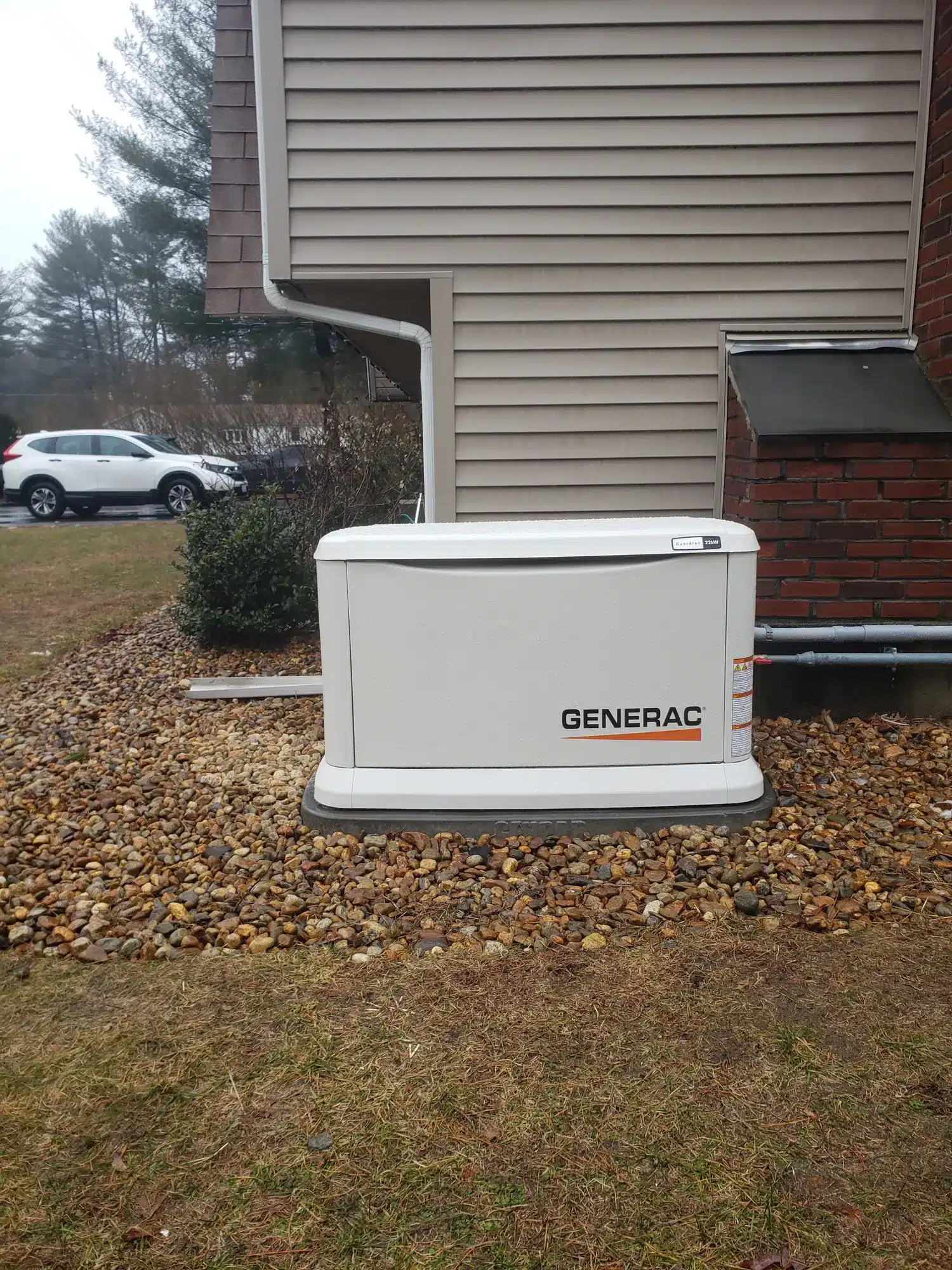
Part of your complete home energy system
Standby Generators & Backup Power
Plan backup around the equipment you need—not a one-size-fits-all promise. BD Electrical & Solar coordinates the electrical installation, transfer equipment, and load planning for your home.
Start with your priorities
What do you need to keep running?
Heating controls, refrigeration, well pumps, lighting, and home-office equipment can have very different power needs. We review your essential circuits, larger starting loads, desired outage coverage, and available fuel supply before recommending an approach.
A standby generator produces electricity from fuel. Unlike a battery, it does not store your solar production. Its role is to supply planned loads during an outage, within the limits of the generator, transfer equipment, fuel supply, and maintenance requirements.
The parts of a backup installation
The generator is only one part of the system.
Generator & Fuel
Equipment selection starts with the running and starting demands of your loads. Fuel type, supply capacity, site location, and manufacturer requirements are part of the assessment.
Transfer Equipment
An automatic transfer switch changes the source supplying the selected circuits when utility power fails and returns. Correct transfer equipment and electrical integration are essential to the installation.
Panels & Load Management
Selected circuits, broader coverage, and load-management controls are evaluated together. “Whole-home” coverage does not necessarily mean every appliance can run at the same time.
Compare your options
Generator, battery, or a coordinated system?
Choose Around Outage Needs
A generator may suit customers prioritizing extended outages where an appropriate fuel supply is available. Discuss fuel logistics, operating sound, siting, and ongoing service as part of the decision.
Consider Daily Energy Use
A battery can store electricity and support planned backup loads while also working with solar. Its outage duration depends on usable stored energy, demand, settings, and opportunities to recharge.
Plan Integration Carefully
Some projects can combine solar, batteries, and a generator. Compatibility, controllers, transfer equipment, and the operating sequence must be confirmed for the specific system; equipment is not automatically interchangeable.
From assessment through handoff
A coordinated installation scope.
Review loads and site
Identify priorities, existing service and panels, placement constraints, access, and fuel requirements.
Coordinate the details
Define electrical work, permits, transfer equipment, and coordination with fuel, site-work, and other qualified trades. Responsibilities are set out in the project scope.
Test and hand off
Complete the agreed electrical installation, coordinate inspections and commissioning, and review operation and the manufacturer’s service requirements.
A complete resiliency system
Solar + batteries + a generator. Designed to work together.
A generator can be integrated with compatible solar and battery equipment to create a complete resiliency system. Each source has a different job: solar produces energy, batteries store it and support backup loads, and the generator adds another source when an extended outage outlasts available sun and stored energy.
Solar Produces
During daylight, a properly designed backup-capable system can use solar to serve loads and recharge batteries while isolated from the grid.
Batteries Bridge & Store
Batteries provide stored energy when solar is insufficient and help support transitions between available sources, within the system’s power and energy limits.
A Generator Extends Resilience
A compatible generator can support longer outages. In supported configurations it can supply loads and recharge batteries, helping the system recover when solar production is limited.
The controller, transfer equipment, and load priorities coordinate how the sources operate. We design this sequence around your home, your existing equipment, and the loads you want to protect.
Integration is equipment-specific: appropriate FranklinWH aGate and Enphase configurations support generator charging. Tesla Powerwall can coexist with a compatible separate generator arrangement, but does not charge from the generator. We confirm the exact configuration before specifying a system.
Explore the Complete Residential Energy System · Compare Battery Storage Options
A real BD installation
Standby power, built around the home.
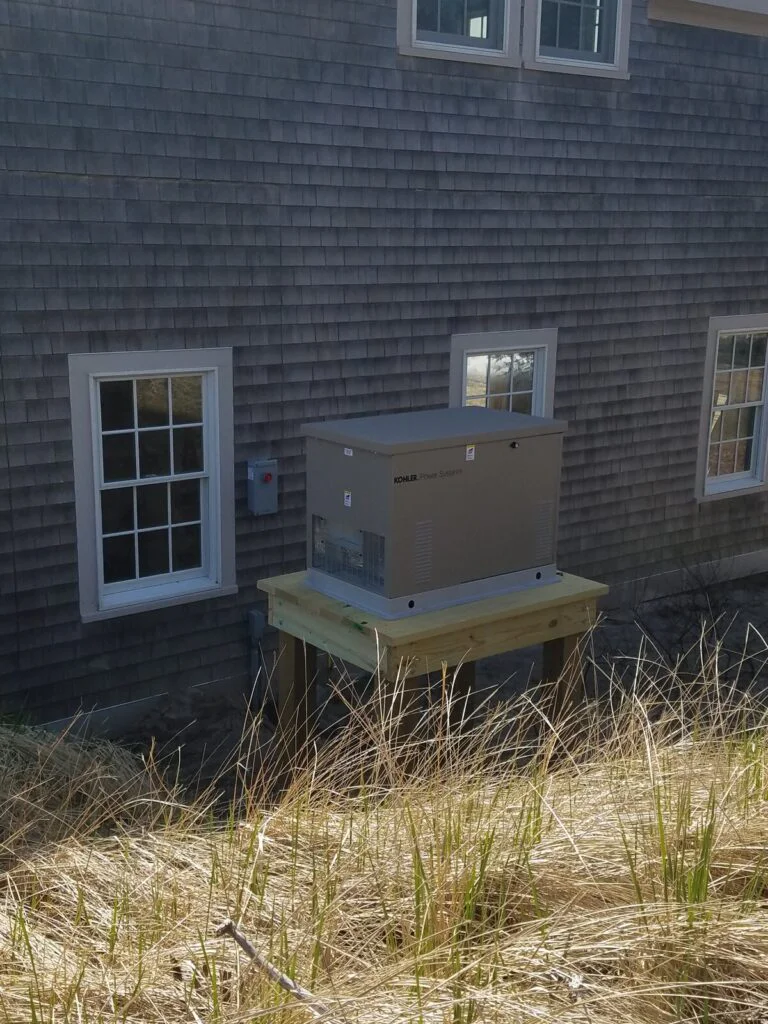
Backup starts with your home.
This residential Kohler installation shows a standby generator positioned alongside the home. Equipment location, transfer controls, fuel supply, and the loads you want to protect all shape the installation plan.
A standby generator can be installed on its own or considered as part of a compatible solar-and-battery resiliency design. We review the full system before recommending equipment.
Common questions
Planning generator backup?
Will a generator run everything in my house?
Coverage depends on equipment capacity, circuit selection, load management, and appliance starting demands. We assess those needs before defining the installation.
Does a standby generator transfer power instantly?
There is typically a delay while the generator starts and transfer occurs. If equipment cannot tolerate an interruption, tell us during planning so its requirements can be addressed separately.
Can it work with my existing solar or battery?
Possibly, but compatibility and controls must be reviewed. Send the equipment models and any existing electrical drawings so we can assess the system.
Who handles fuel work and maintenance?
The proposal should identify who provides fuel piping, site preparation, and related trades. Generator maintenance requirements and any service arrangement are discussed separately from the electrical installation.
Let’s Plan Your Backup Power.
Send your address, panel photos, available fuel information, and the equipment you want to keep running.